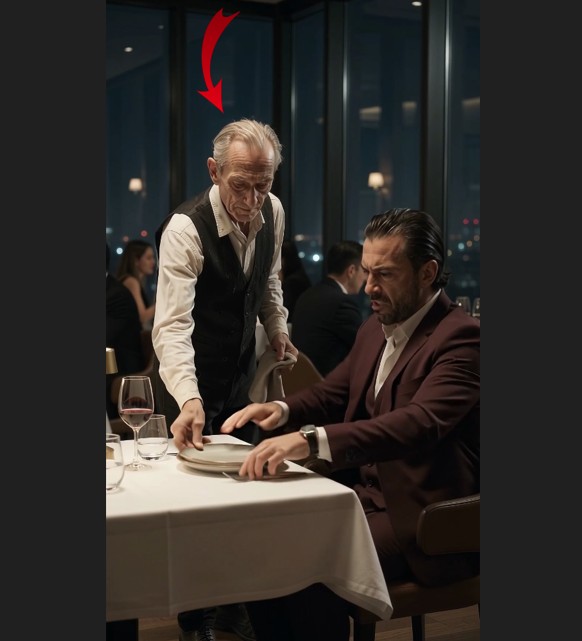
Customer Demanded an Elderly Waiter Be Replaced—Then Heard About His 35 Years of Service
A customer at a well-known luxury restaurant grew impatient after waiting for service and directed his frustration at an elderly waiter. He criticized the man’s age and demanded that the manager replace him. The waiter stayed professional, apologized for the delay, and said he would make things right.
The manager stepped in and set a clear boundary: staff should be treated respectfully, even when a guest is unhappy. Then he explained that the waiter had worked at the restaurant for 35 years and had trained many of its senior employees.
The customer’s complaint about the wait did not excuse his personal remarks. Once he understood the waiter’s history, he apologized and acknowledged that he had gone too far. The manager also reminded the customer to treat staff respectfully.
The waiter’s response carried the story’s central lesson. Courtesy is not something a person earns through an expensive outfit, a job title, or years of experience. It should be part of every interaction. A guest can raise a concern about service without making personal comments, and staff can respond with patience while working to resolve the issue.
This scripted restaurant scene highlights the importance of valuing people for their work and treating them with dignity. The waiter’s long career added context, but he deserved respect even before anyone knew how long he had served. An apology helped ease the moment, while the manager’s intervention reinforced a simple standard: address problems calmly and speak to others as you would want to be treated.